

It’s not just an Alzheimer’s conversation — it’s an incapacity conversation, and every family needs to have it.
- Alzheimer’s is devastating for the person who has it, and takes an enormous toll on the spouse and family caring for them
- Everyone — regardless of net worth — needs a durable power of attorney, healthcare surrogate, and financial powers of attorney on file before they’re needed
- New treatments are giving families hope, but hope isn’t a substitute for a plan
A news story recently making the rounds tells of a Broward County man who’d watched Alzheimer’s take his own father. Then doctors diagnosed the Florida man with the disease, and he imagined heading for the same ending. He went through 18 infusions of an anti-amyloid drug, and his final PET scan came back clean. According to the article, the plaques that had built up in his brain were gone.1 That’s not a one-off. University of Utah Health neurologists are also using a new class of treatments that they say slows Alzheimer’s-related cognitive decline by about 25–30%, based on clinical trial data.2
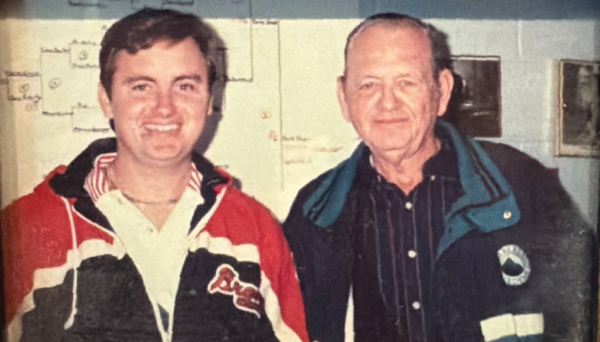
There’s real reason for hope, but it would be a mistake to think the hardest parts of this disease are behind us. Every September, World Alzheimer’s Month, brings my colleague and fellow Gryphon Wealth co-founder, Jeff Wyatt, back to his father. He remembers watching him change, slowly, in ways that were hard to see at first and harder to accept later, until it became clear his father could no longer stay safely at home.
By then, Jeff’s mother had already passed away. Jeff remembers the sleepless nights and the quiet guilt that came with the decision to finally move his father into assisted living. Although he knew it was the right call, it was still one of the hardest decisions he’s had to make. That experience shaped something Jeff has carried into his work with clients ever since: Alzheimer’s can be just as hard on the people who love someone with the disease as it is on the person living with it.
Someone with Alzheimer’s isn’t always aware of what’s slipping away. It’s the people around them who watch it happen, make the hard decisions, and carry on.
We spend a lot of time talking about the financial mechanics of a life event. They matter, and we’ll get to them. But focusing only on the mechanics misses the experience: a spouse or an adult child trying to hold a household and their own health together while caring for someone who may not remember their name.
It’s Broader Than Alzheimer’s
Here’s what many people miss. This isn’t only an Alzheimer’s conversation. It’s an incapacity conversation. The mistake people make is thinking about death. They have a will. The IRA has a beneficiary. They believe they’re done. What they haven’t thought about is: “I didn’t die, but I need help.” That can be dementia. It can also be a stroke, a bad accident, a botched surgery.
So regardless of the size of a family’s balance sheet, everyone should have three things in place: a durable power of attorney, a healthcare surrogate designation, and financial powers of attorney that are actually on file with the institutions that hold the money. Notice we said “on file,” not just “signed.” Having the document in a drawer isn’t the same as having it accepted. Financial firms are often targeted by fraudsters, which makes them cautious — sometimes frustratingly so — about honoring a power of attorney (POA) they’ve never seen before. A spouse who shows up at the bank with a POA signed a decade ago, one nobody there has ever seen, can end up fighting the system. The fix is boring but important. Finalize these documents while everyone involved is of sound mind, and deliver them registered with the advisor, the bank, and anywhere else that might need to honor them, before they’re needed.
The other piece people don’t think about until it’s too late is updating beneficiary designations. Once someone is incapacitated, there’s generally no going back to update who’s listed as primary or contingent beneficiary on an account. Whatever was in place when capacity went away is what the family is stuck with. It’s a five-minute fix while healthy and a very difficult one after.
The Cost of the Caregiving Years
Financial planning changes too. When one spouse becomes the caregiver, that spouse often absorbs costs—in-home help, medical equipment, their own lost time—before anyone sets foot in a facility. Jeff thinks often about a longtime client and friend whose wife was diagnosed with early-onset Alzheimer’s. For the better part of a decade, he managed her care at home as her full-time caregiver with some outside help. Only in the final stretch, when she was no longer safe to be with him alone, did she move into a memory care facility. He carried the weight of that decision for a long time, even though her staying in the house wasn’t safe. The hardest part for a partner or adult child serving as caregiver may be deciding when protecting someone means breaking a promise, or even an implied one, made years ago. It’s not a spreadsheet problem. It’s a human one.
In that case, the planning conversation isn’t really about money. It’s about giving the family caregiver permission to prioritize their own health because they can’t take care of anyone if they run themself into the ground.
I’ve seen a version of this from a different angle — a client who knew he was terminally ill, mentally sharp the whole way through, who said point blank: “make sure my wife is taken care of.” His wife had never managed family finances. Different circumstance than dementia, same underlying instinct: get the plan in place while there’s still time, so the burden doesn’t land on the spouse least equipped to carry it.
What We’re Actually There For
A financial advisor’s real job here is only partly about money. Jeff describes it well: he’d take his client to breakfast, and they wouldn’t talk finance at all — just sports, family, whatever was going on that week. It was being a friend who happened to also be his advisor, someone outside the family who could hear the hard stuff.
Stories about novel therapies for Alzheimer’s are worth paying attention to, and we hope there are a lot more of them. But hope isn’t a plan. For any spouse in the middle of this right now, or watching it approach, the advice is the same: get the documents done — the POA, the healthcare surrogate, the financial powers — while it’s still easy to do. Then find a sounding board. That can be an advisor, a friend, a support group, whatever works. This isn’t something to carry alone.
You don’t have to figure this out alone. When you’re ready, talk to your Gryphon Wealth advisor.
Resources We Recommend
Two books we’ve found useful for anyone navigating a loved one’s Alzheimer’s or dementia diagnosis: Learning to Speak Alzheimer’s and Caring for a Loved One with Alzheimer’s. Ask a Gryphon Wealth advisor for the full list—we’re happy to share what’s helped other families.
Frequently Asked Questions
- Is incapacity planning only necessary if someone has Alzheimer’s?
No. A stroke, a serious accident or a major surgery can leave a spouse suddenly unable to manage their own affairs, with no diagnosis of dementia involved at all. That’s why every family needs these documents in place, regardless of health history. - What documents does a family need before incapacity happens?
A durable power of attorney, a healthcare surrogate designation and financial powers of attorney, each one filed directly with the banks, advisors and institutions that will need to honor it, not just signed and put in a drawer. - Can beneficiary designations be changed after someone becomes incapacitated?
Generally, no. Whatever beneficiary was listed before capacity was lost is what stays in place. Reviewing these designations while everyone involved is healthy is a five-minute fix that becomes very difficult later.
Sources
- Alzheimer Patient in Broward Sees Brain Plaques Cleared (Miami Herald)
- For Alzheimer’s Disease, New Treatments Offer Hope (University of Utah Health)
Disclosures
Gryphon Wealth, LLC is an investment adviser registered under the Investment Advisers Act of 1940. Registration as an investment adviser does not imply any level of skill or training. For more information, visit adviserinfo.sec.gov and search for our firm name.
This material is presented solely for informational purposes and has been gathered from sources believed to be reliable; however, the adviser cannot guarantee the accuracy or completeness of such information. Nothing in this presentation is intended to serve as personalized investment, tax, or insurance advice. Advisory services are only offered to clients or prospective clients where the adviser and its representatives are properly licensed or exempt from licensure.
Opinions expressed are based on economic or market conditions at the time this material was written. Economies and markets fluctuate. Actual economic or market events may turn out differently than anticipated. Any opinions expressed are current only as of the time made and are subject to change without notice.
Past performance is not indicative of future results. This article was created with the assistance of artificial intelligence as part of the research and drafting process.